
Maadi, Garden Utopia: Desires of Exclusion in a Cairo Suburb
Abigail Toomey
Abigail Toomey, is a recent Master’s graduate from the NYU Kevorkian Center for Near Eastern Studies and the editor of Almusafir magazine. She is interested in interdisciplinary approaches to questions of space, land sovereignty, and urban geography. Her work examines spatial politics in Cairo and the right to the city.
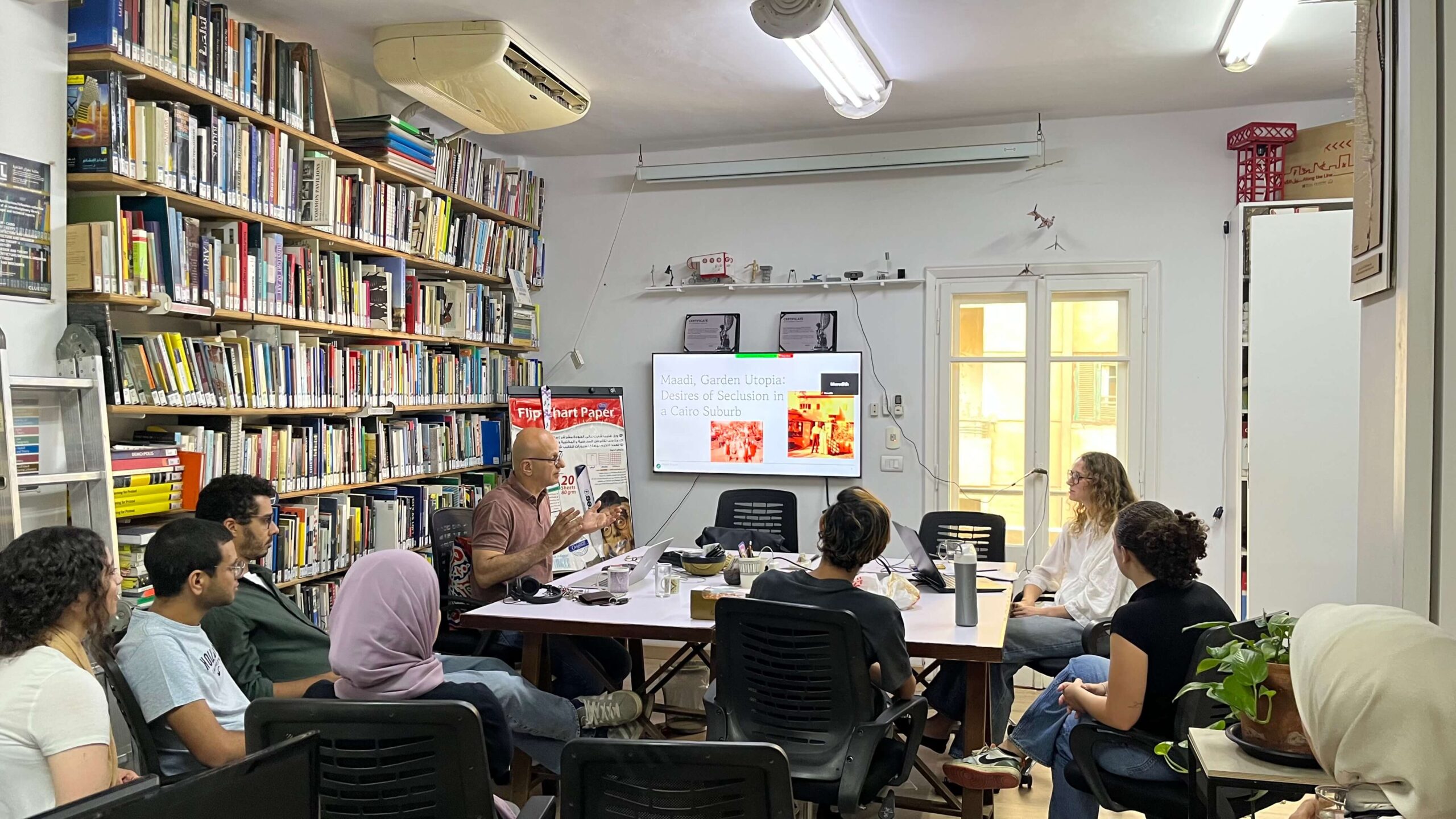
The early 20th century in Egypt brought the establishment of multiple privately owned land developments such as Heliopolis, Zamalek, Garden City, and Maadi. These neighborhoods were connected to the global garden city movement. In 1898, Ebenezer Howard coined the term “garden city” and formed the first garden city, Letchworth, in 1903 outside of London. Established only one year after Howard’s Letchworth, Maadi was at the forefront of the garden city movement. This talk will engage with the story of Maadi as tied to foreign influence and upper-class desires and the ways in which greening was a mode of exclusion. The exclusion was built upon a less privileged class of gardeners, servants, and laborers who were never part of the community, but essential to it. We will discuss the ideological backdrop of the community, based on the “garden city” for upper classes, and the ways in which greening held social meaning. I will explore the history of the Maadi suburb and how it reveals wider historical changes in Egypt.