
MAPPING THIRD SPACE IN HOUSING MICRO-DISTRICTS, SAMARKAND
Location: Samarkand, Uzbekistan
Client: British Council Central Asia
Scope: Mapping Workshop
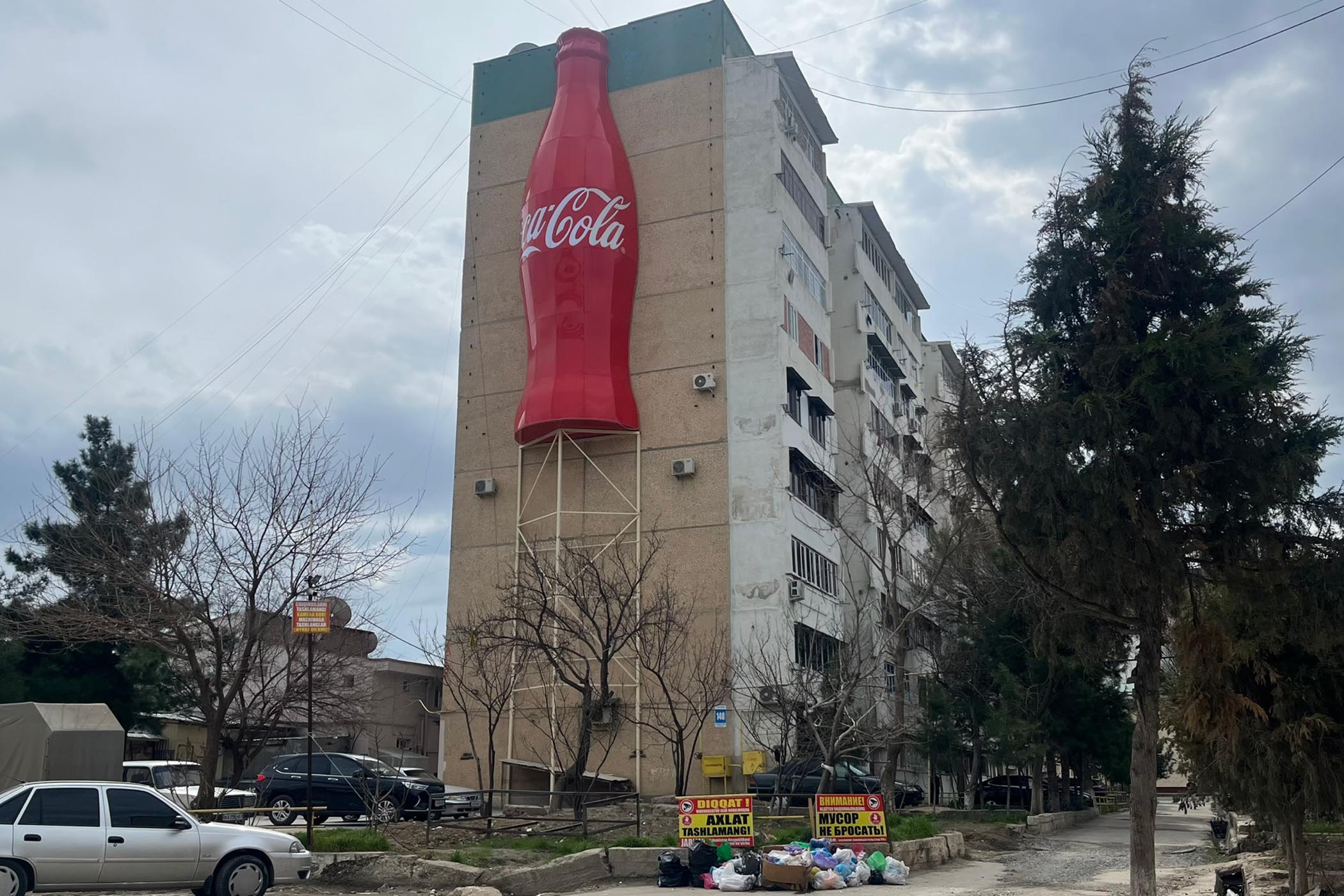
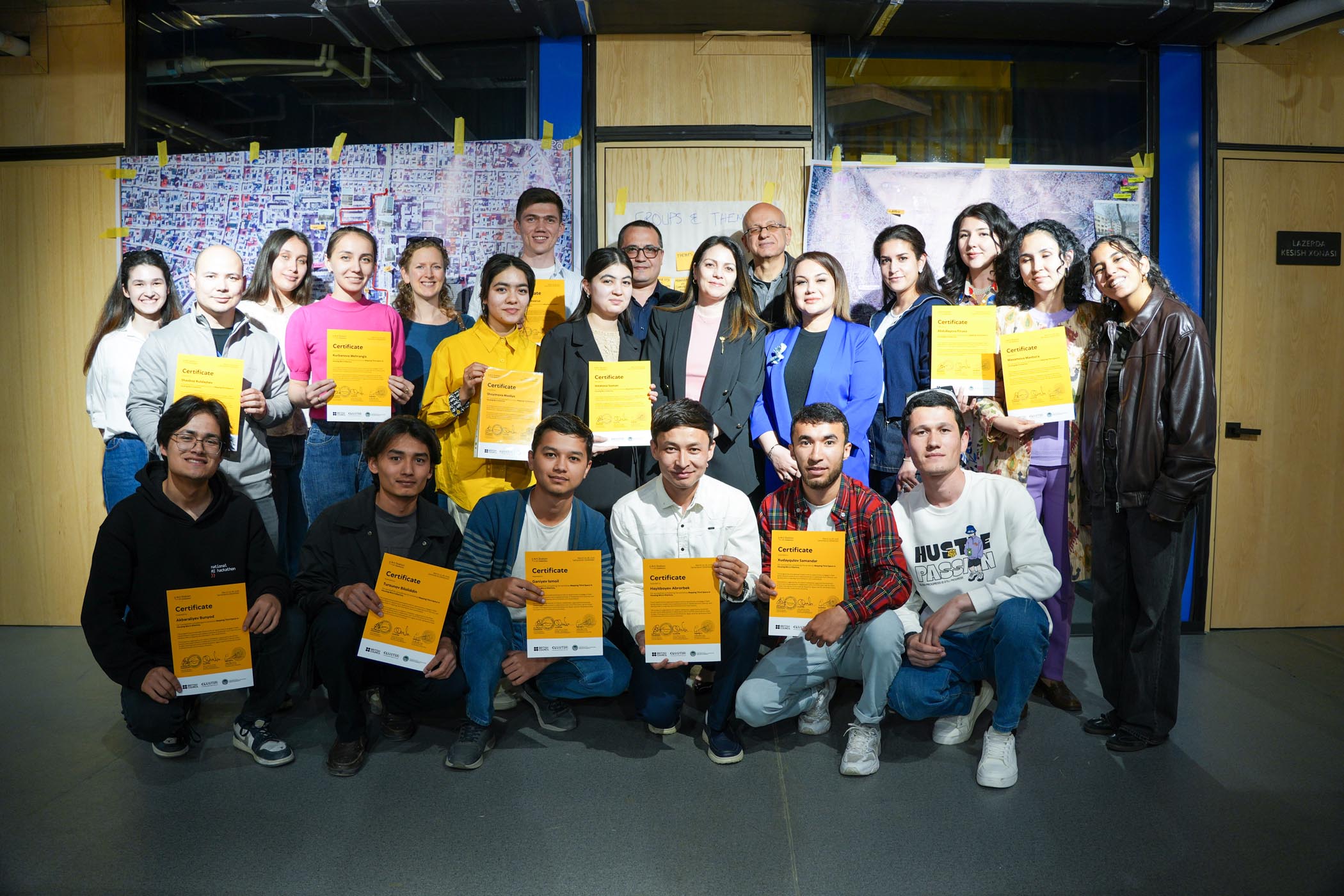
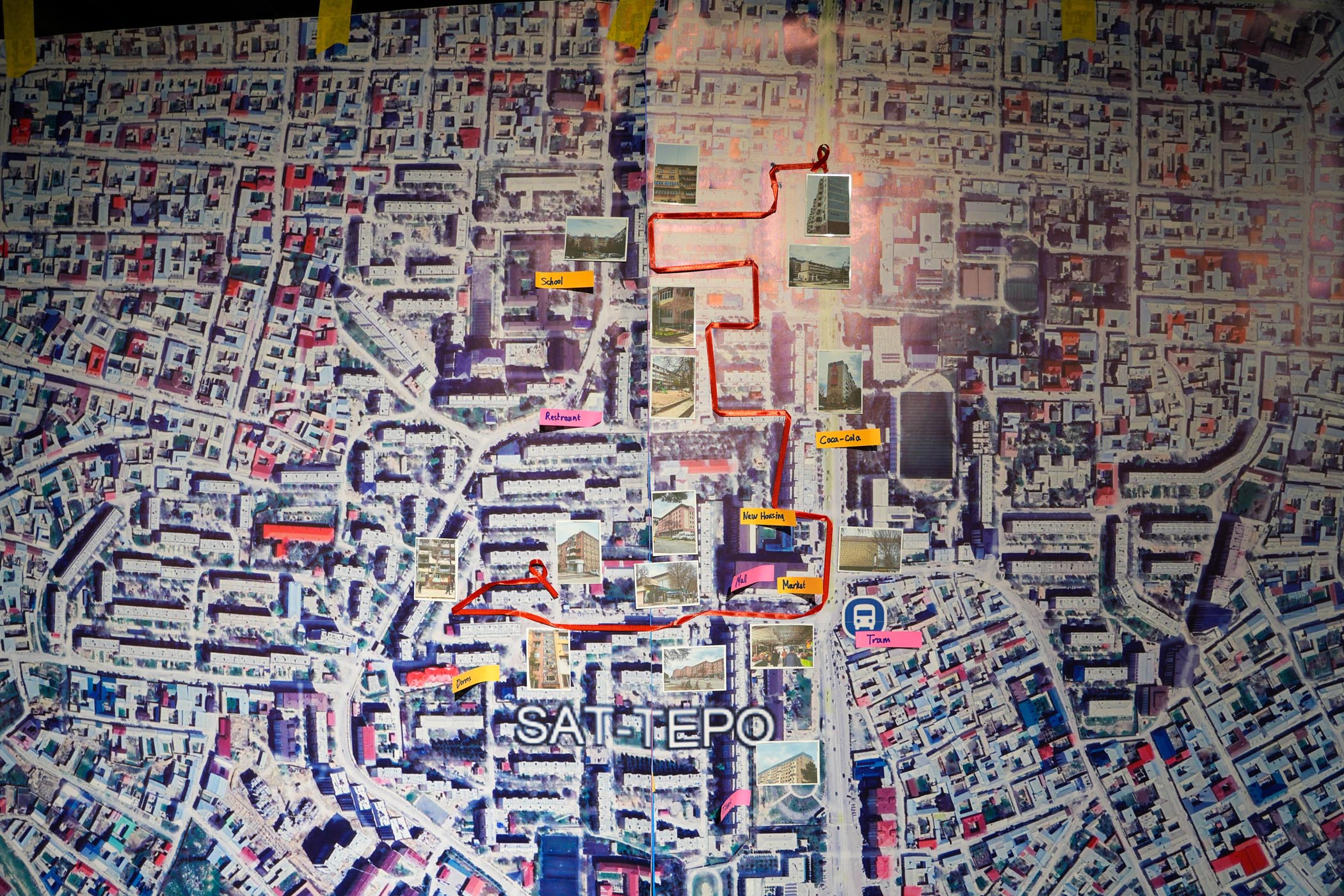
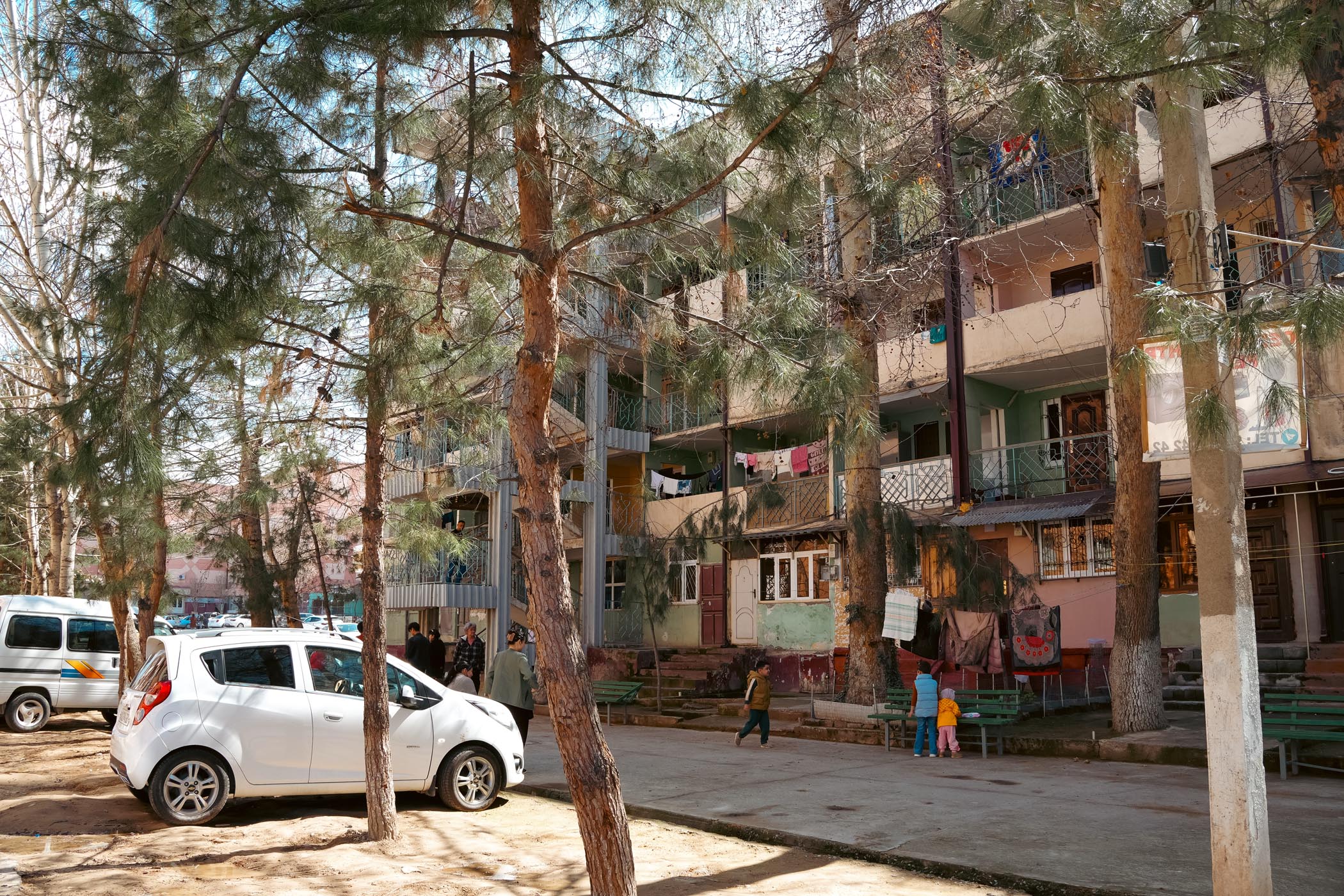
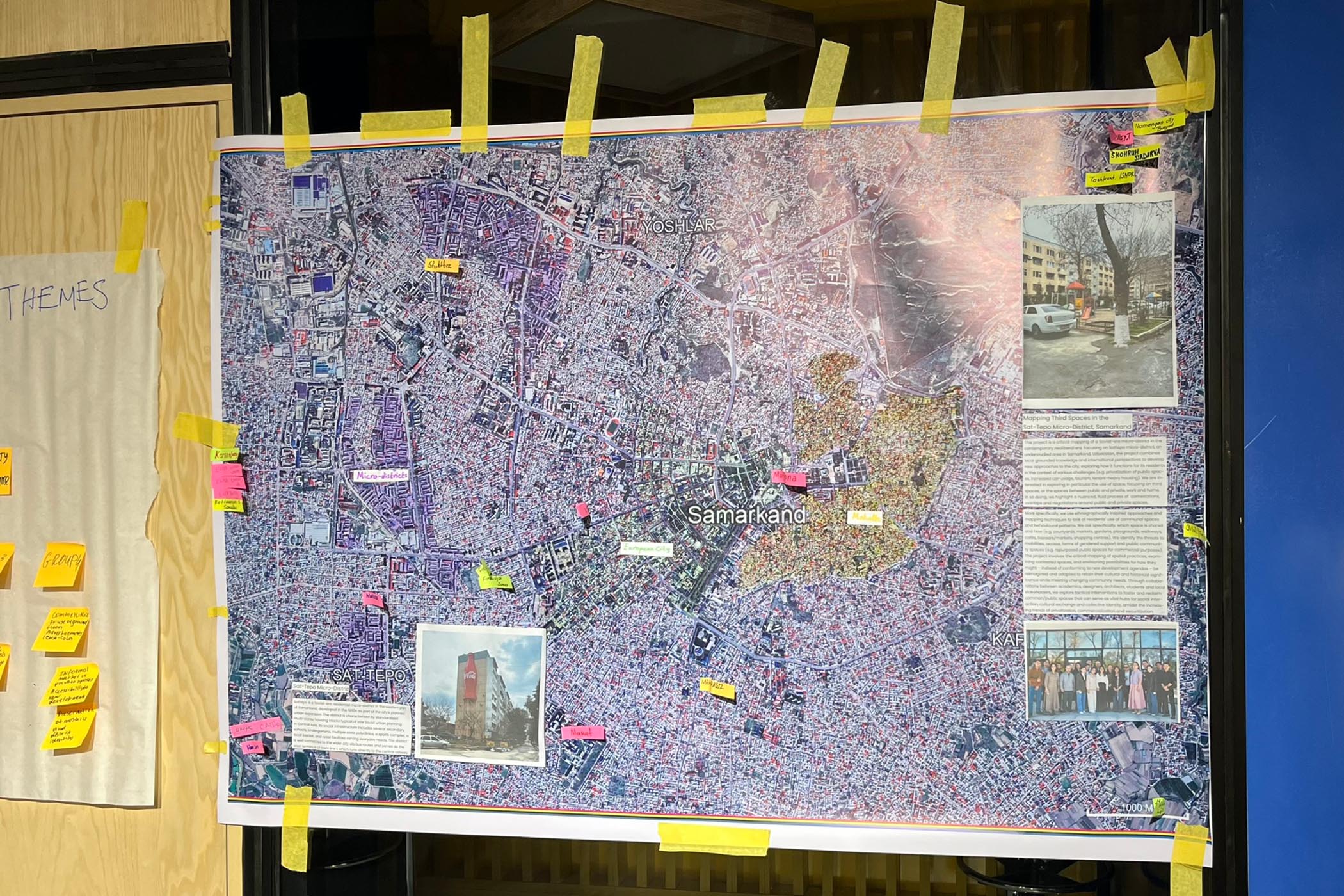
In collaboration with Art Station, Dona Kulmatova, Anastasia Galimova (Uzbekistan), and Elisa Wynne-Hughes (Cardiff University, UK), CLUSTER conducted a mapping workshop in Samarkand, Uzbekistan, with the support of the British Council and hosted by the Samarkand State Architecture and Construction University (SamSACU). This project is a critical mapping of a Soviet-era micro-district in the contemporary neoliberal era. Focusing on Sat-tepo micro-district, an understudied area in Samarkand, the project combines local grounded knowledge and international perspectives to develop new approaches to the city, exploring how it functions for its residents in the context of various challenges (e.g. privatization of public spaces, increased car-usage, tourism, tenant-heavy housing). We were interested in exploring in particular the use of space, focusing on third spaces, or the spaces between public and private, work and home. In doing so, we highlighted a nuanced, fluid process of contestations, overlaps and negotiations around public and private spaces. More specifically, we used ethnographically inspired approaches and mapping techniques to look at residents’ use of communal spaces and behavioural patterns. We asked specifically, which space is shared and how (e.g. courtyards, markets, gardens, playgrounds, walkways, cafés, bazaars/markets, shopping centres). We identified the threats to mobilities, access, forms of gendered support and public community spaces (e.g. repurposed public spaces for commercial purposes).
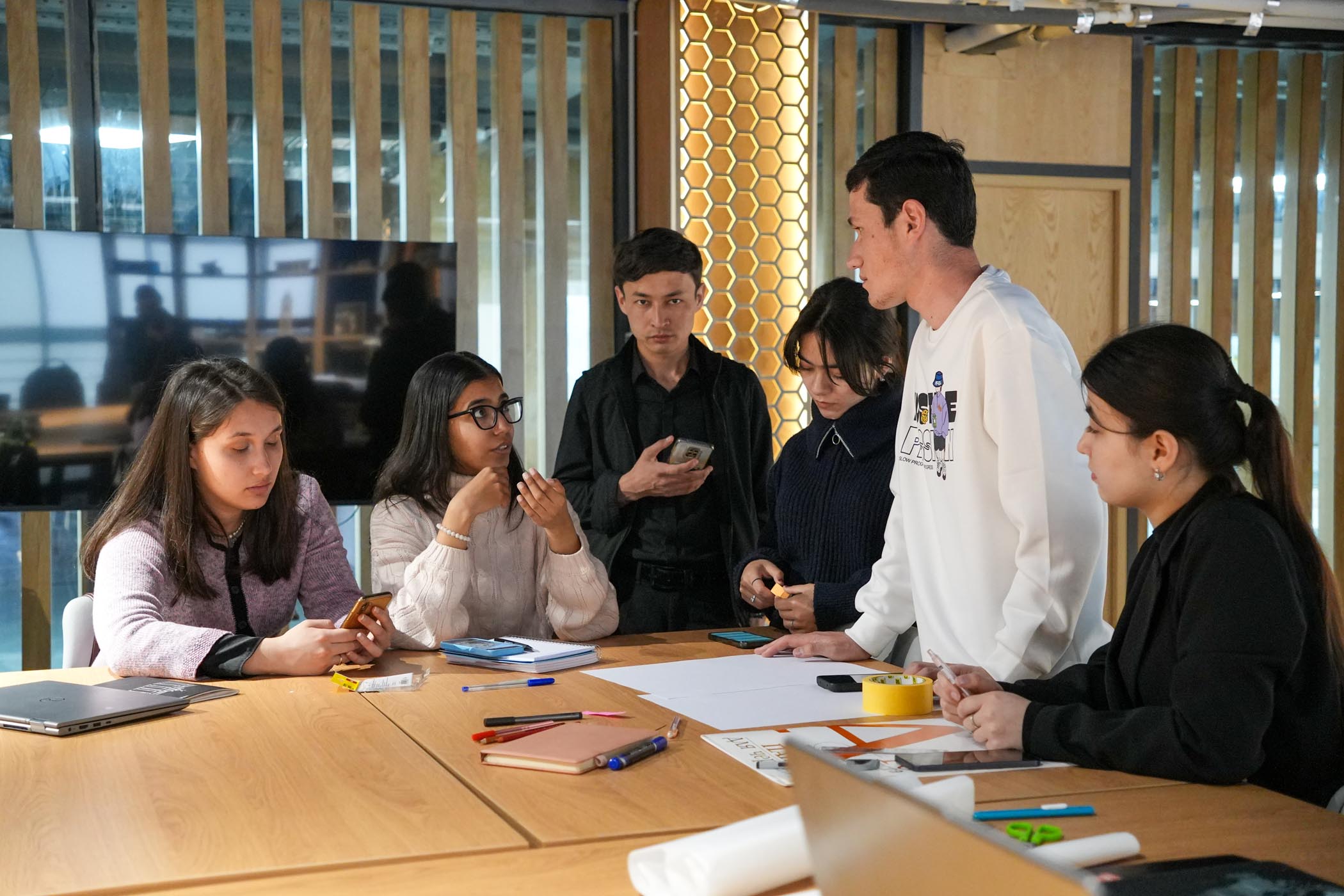
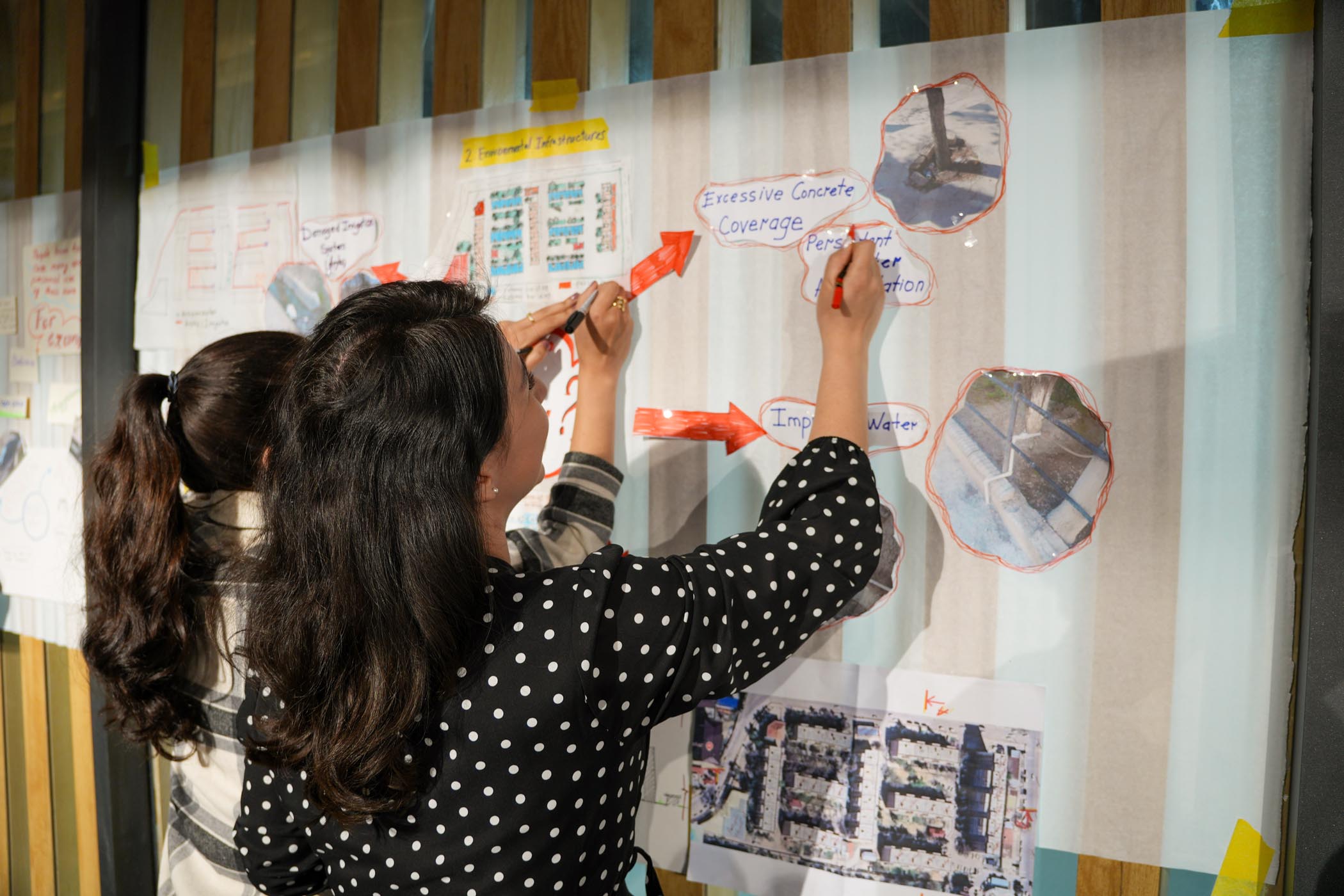
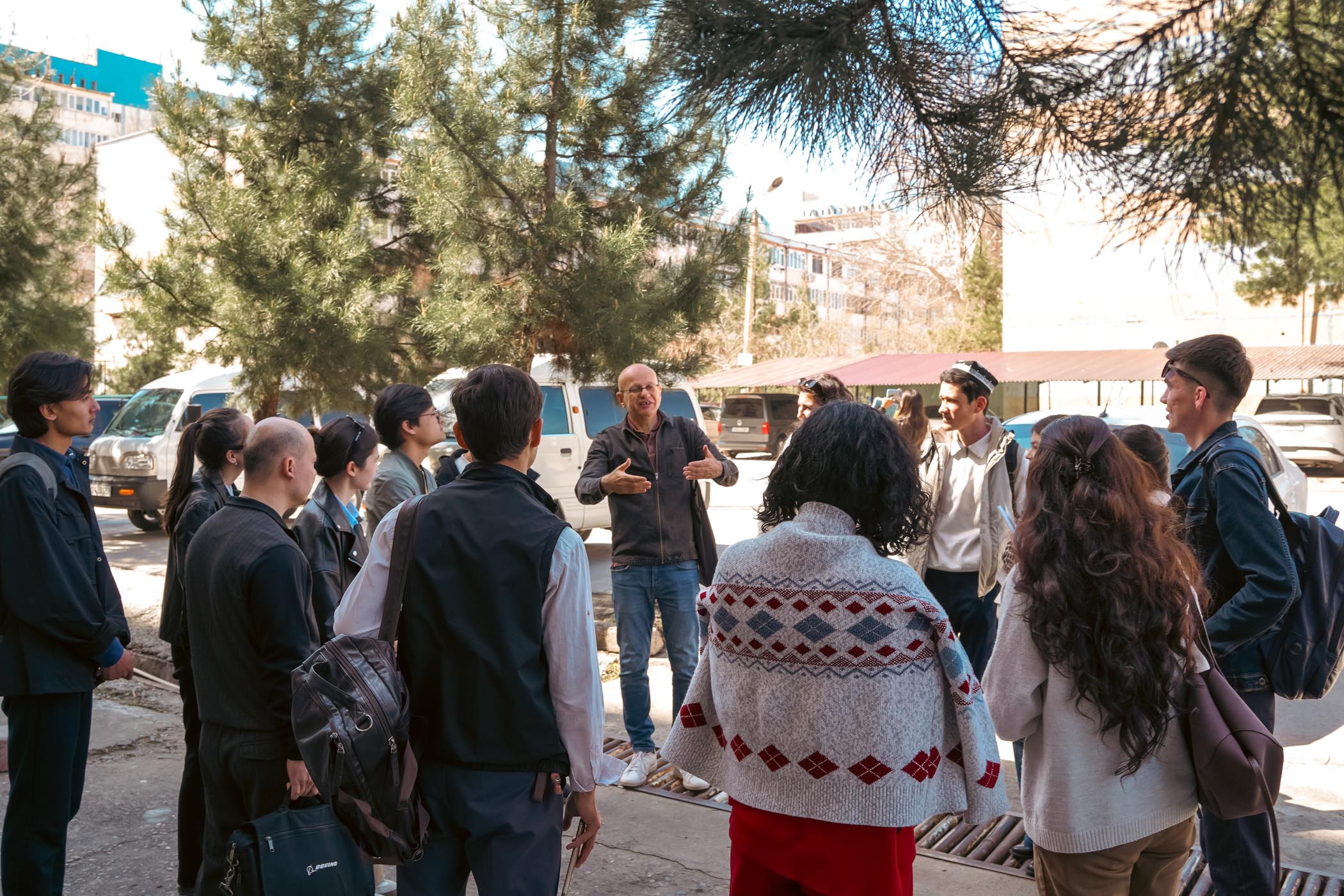
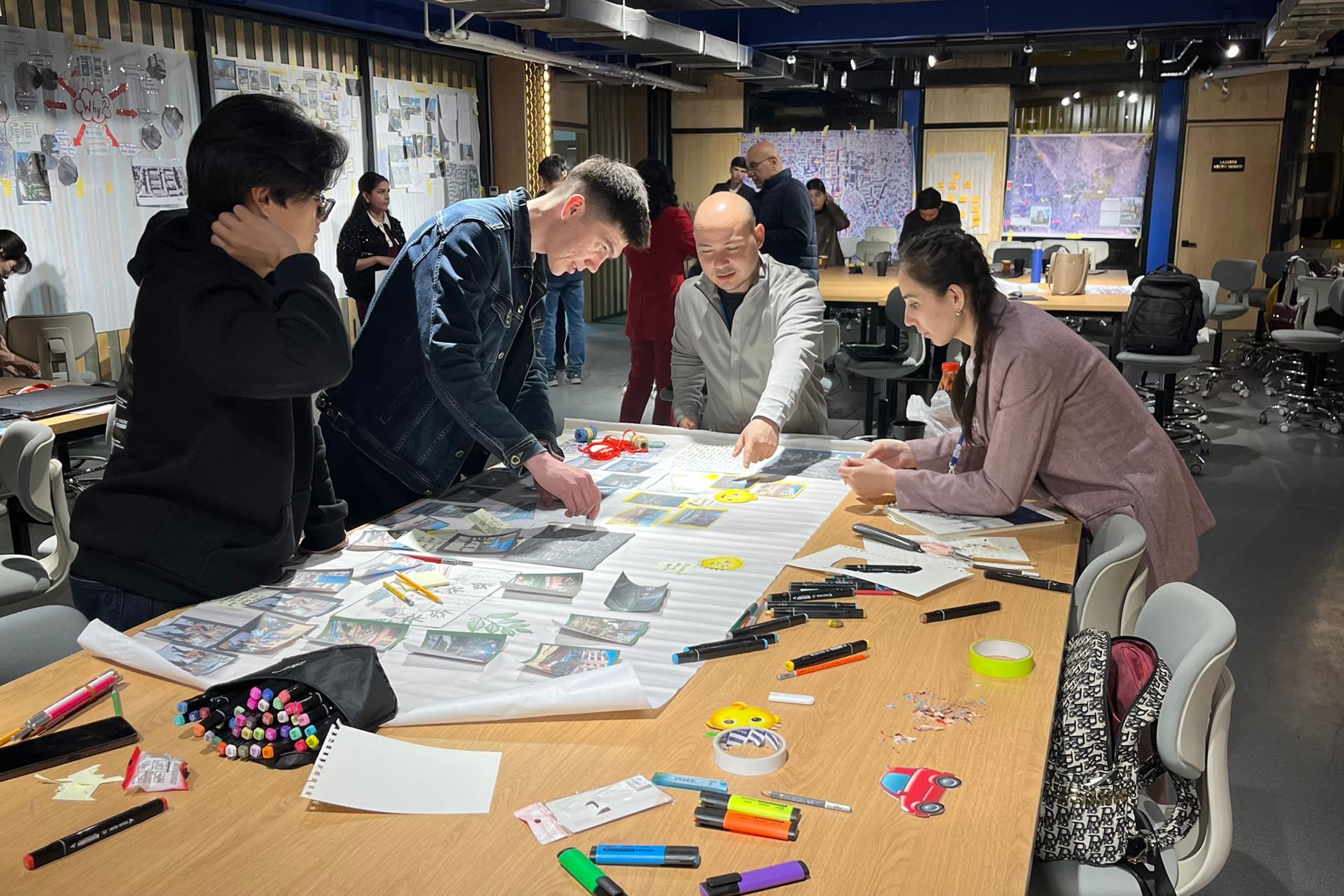
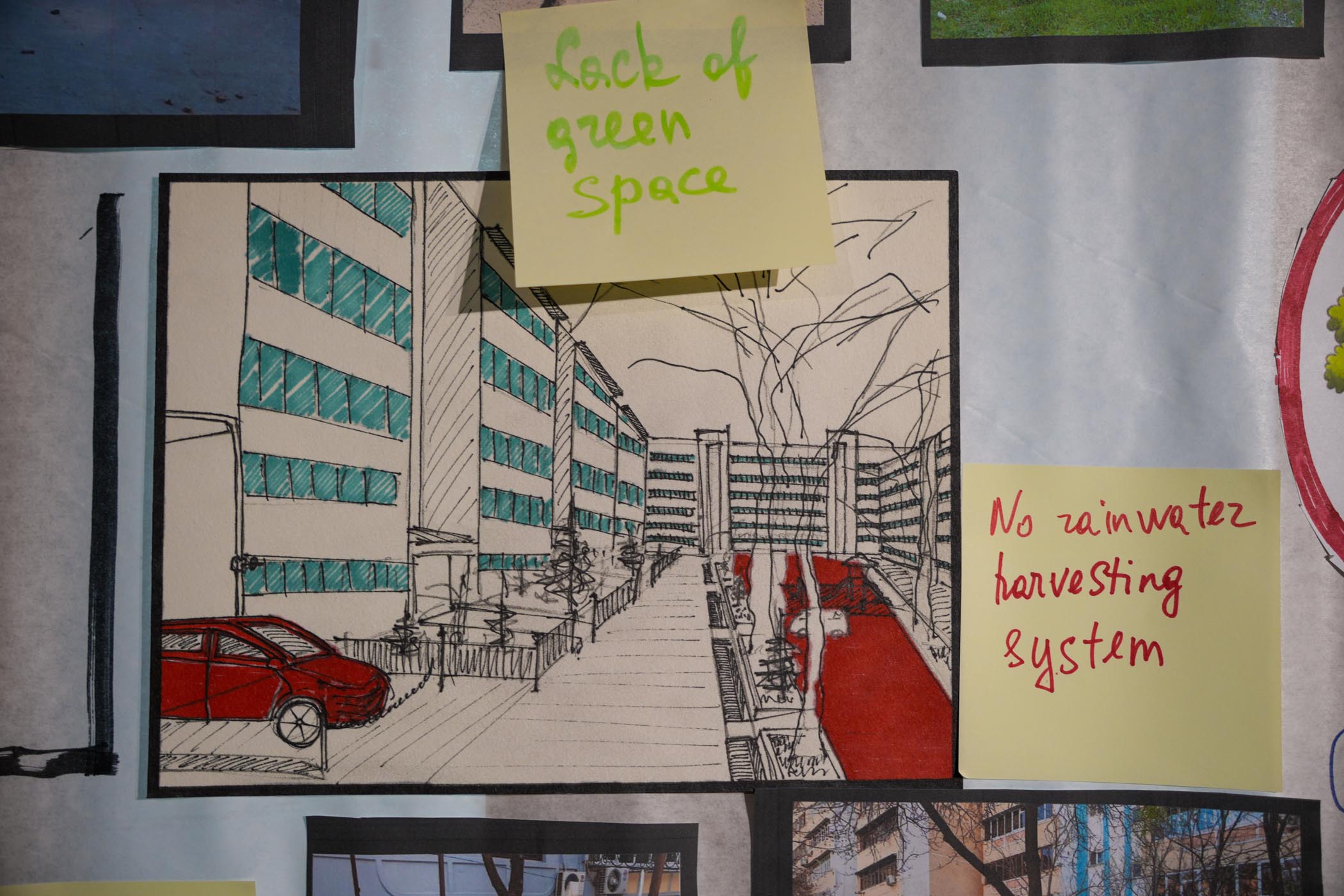
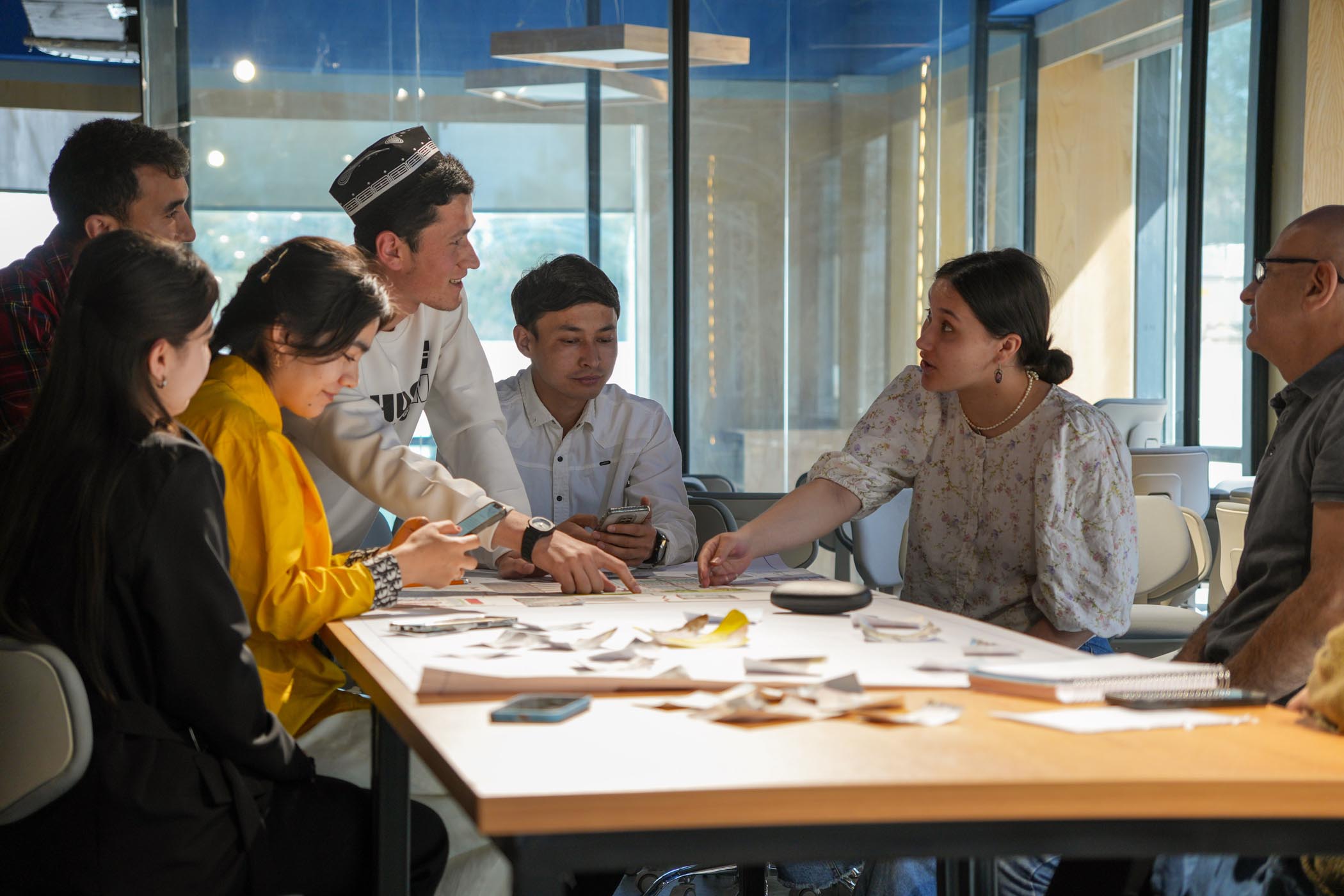
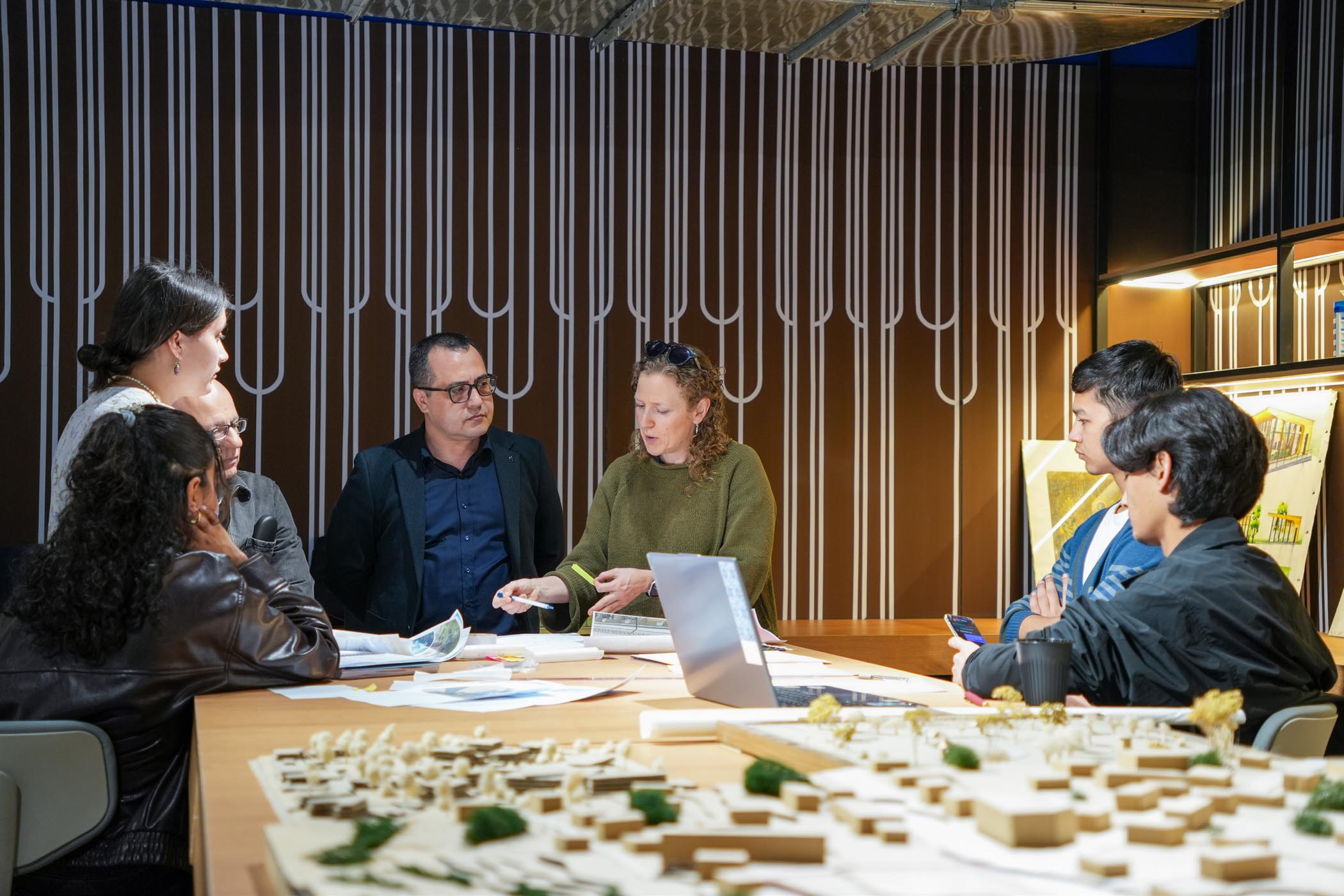
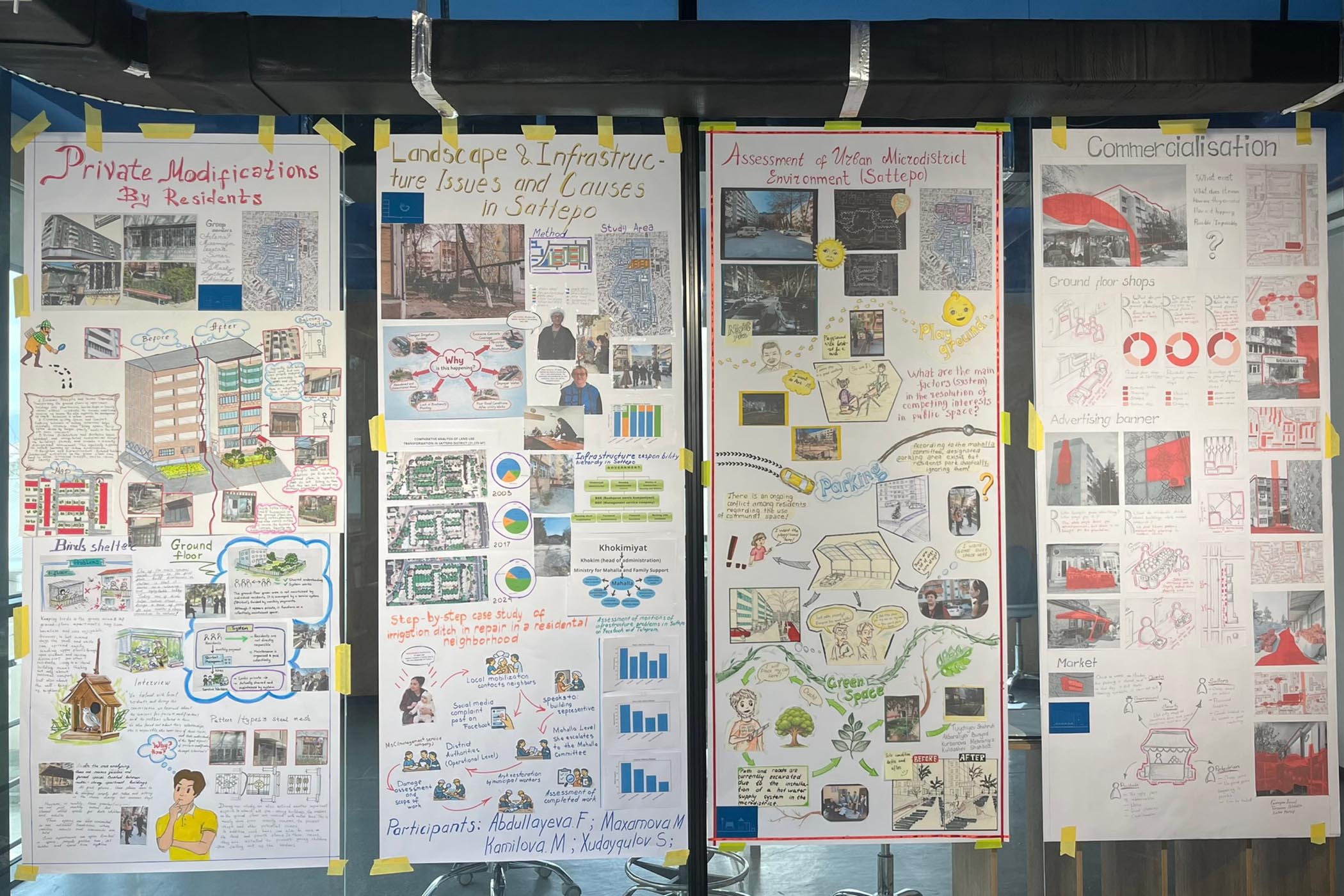
Before the workshop, the organising team conducted preliminary research and logistical planning. Our preparatory research began with familiarising ourselves with the topic of micro-districts in Samarkand. We did this by reading the academic literature, watching relevant films and examining maps. We narrowed down to the Sattepo microdistrict and began developing key questions to help us better understand the area in the context of our project. We contacted key scholars and met with them online to discuss their research in relation to our research focus.We began our workshop on the 22nd of March with a reconnaissance visit to Sattepo by the organising team. We walked around the area and identified some key areas and issues to discuss with the students. On the 23rd we met with the students for the first time and introduced the project and its key focus and aims. We did a collective site visit with the students to show them the areas and issues that we had observed the day before, asking them to explore and identify key topics. We discussed these together back at the university and narrowed down to 4 key topics: (1) Private modifications; (2) Environmental Infrastructure; (3) Communal Areas; (4) Commercialisation, along with some overarching themes. We concluded the day with a lecture on mapping by Omar Nagati. On the 24th the students split themselves into groups to research and refine these topics. They visited Sat-tepo to conduct their first group field visit. In the evening we had a lecture on micro-districts in Samarkand by Mariya Petrova. On the 25th students put together their first presentation, which included maps, photos, sketches and text to discuss their topics. They received feedback from the organising team and staff members from the university. On this basis they returned to Sat-tepo to conduct their second group field visit. After this, Elisa Wynne-Hughes presented her work on tourism and offered guidance on research methods and ethics. On the 26th the students prepared their second presentation, which they conducted in the afternoon, receiving a second set of feedback from the organising group. We concluded the day with a presentation by Professor Dilshoda Sultanova on Sattepo’s archeological significance. On the 27th the organising team met with each student group to offer them guidance for their final presentation. The students worked on their presentations for the rest of the day, with some of the organising team returning to Sat-tepo for a final field visit. On the 28th of March, the students completed their presentations and their posters, conducting presentations in the afternoon.